Chicken Road: What the £5 Cap Means Before You Start
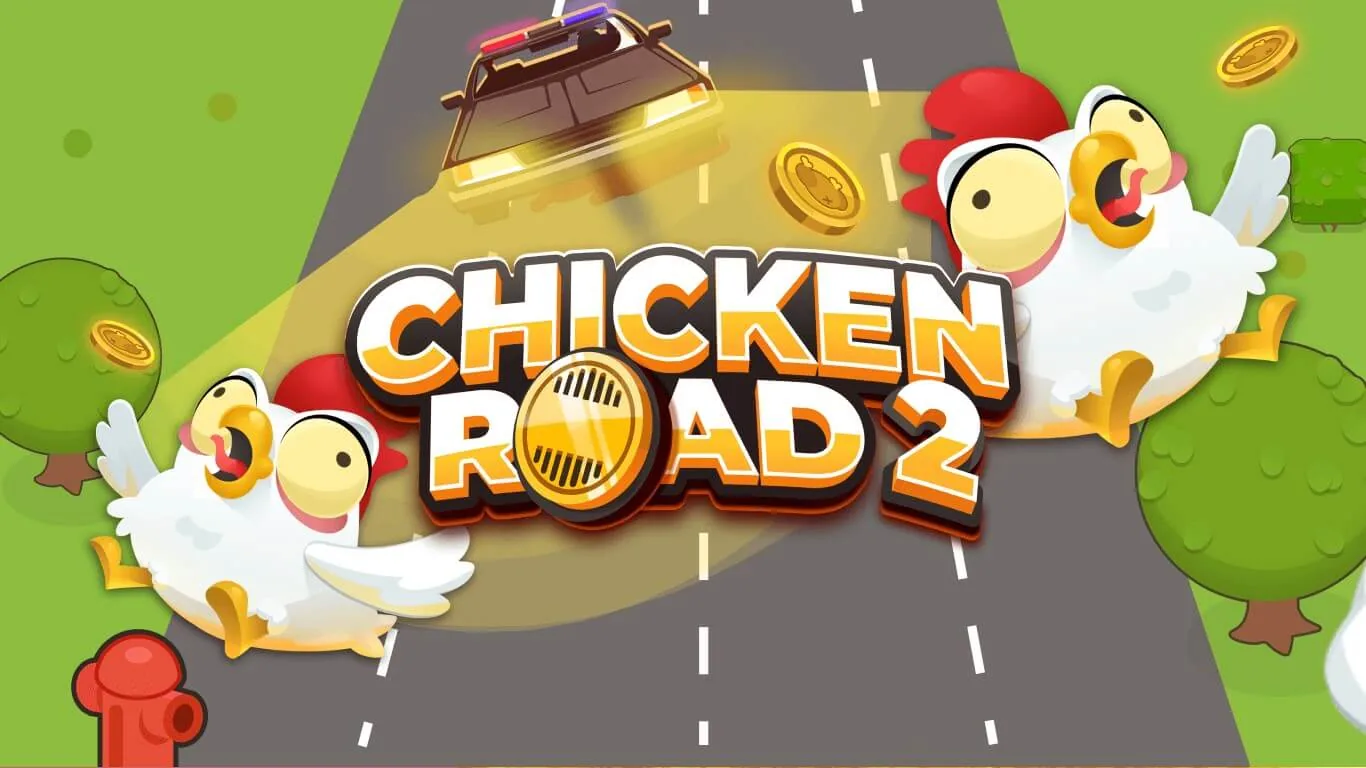
If you've opened Chicken Road on a UK-licensed casino, the first thing that will surprise you is the £5 stake cap. That's not the operator being cautious — it's UKGC regulation, applied to every player over 25 and tightened to £2 for anyone aged 18 to 24. The game itself allows bets up to $200 in other markets, but here the ceiling is lower, and that changes how the risk ladder works.
Chicken Road is a crash-style instant game built by InOut. A chicken crosses a multi-lane road; each lane cleared adds to your multiplier, and you cash out whenever you choose. If a car hits the chicken before you stop, the bet is lost. The concept is simple, but the decisions — when to cross, when to stop, which difficulty to pick — carry real cost, especially in the first few days when the rhythm isn't obvious yet.
Where the game came from and what makes it different
Chicken Road belongs to the crash game family: short rounds, rising multiplier, manual cash-out, instant result. The format started with Aviator and spread across dozens of variants, each with a different skin. This one uses a road-crossing theme — Frogger for the betting generation — and adds a provably fair layer, so every round's outcome can be verified through a hash published before the round starts.
InOut, the provider behind the game, distributes it through aggregators to online casinos. You won't find a standalone Chicken Road site; it lives inside the instant-games or crash-games section of a casino lobby, alongside titles like Spaceman and Plinko. In the UK, that casino must hold a remote licence from the UKGC, with the licence number listed in the footer. If it's missing, the site is operating illegally and you have no protection if something goes wrong.
The game offers four difficulty levels: Easy (30 lanes, lowest risk), Medium (25 lanes), Hard (22 lanes), and Hardcore (18 lanes). Fewer lanes mean a tighter multiplier ladder and higher chance of being hit. Most beginners start on Easy, where the early lanes feel safe, then move to Medium once the pacing makes sense.
How a round works from bet to cash-out
- You choose a difficulty level and place a bet — minimum £0.12, maximum £5.00 if you're over 25, £2.00 if you're 18–24.
- The chicken appears at the bottom of the screen. You press «Start» and it begins crossing the road, one lane at a time.
- Each lane crossed increases the multiplier: 1.10×, 1.25×, 1.50×, and so on. The exact progression depends on difficulty.
- Cars move across the lanes at random intervals. If the chicken is hit, the round ends and the bet is lost.
- You can cash out at any moment by pressing the button. Your payout is your stake multiplied by the current multiplier.
- If you reach the far side of the road without being hit, you've crossed all lanes and the maximum multiplier for that difficulty is paid.
The multiplier rises quickly in the first few lanes, then slows. On Easy, lanes 1–5 might take you from 1× to 2×, but lanes 20–30 add only small increments. The temptation is to push for the top, but the car density increases as you go deeper, and one hit wipes the round.
Demo mode, real-money play, and what changes between them
Most UKGC-licensed sites offer demo play for Chicken Road, but the free version is only visible after you've logged in and passed age verification. You won't see a «Play for Fun» button on the homepage — the operator needs proof you're over 18 before showing any gambling content, even in demo form.
In demo mode, the game behaves identically: same RNG, same multiplier ladder, same car patterns. The difference is that wins and losses use virtual currency with no cash value. It's useful for learning the lane rhythm and testing how far you're comfortable pushing on each difficulty, but it won't teach you how it feels to lose three £5 bets in a row or to cash out too early and watch the multiplier climb to 15×.
To play for real money, you'll need to register, verify your age and identity (usually a photo ID and proof of address), and deposit using a payment method in your own name. Credit cards have been banned for gambling in the UK since 2020, so you'll use a debit card, PayPal, Apple Pay, Trustly, or paysafecard. Deposits are instant; withdrawals via e-wallets take a few hours to a day, bank transfers via Faster Payments arrive same-day to two working days, and card withdrawals take one to three working days.
The first withdrawal is the slowest because the operator checks your documents — 24 to 48 hours is normal. After that, repeat withdrawals are faster. Winnings are tax-free for you; the casino pays 40% Remote Gaming Duty on gross revenue, a rate that was raised in April this year.
The mistakes that cost beginners most
- Chasing losses by switching to a higher difficulty. After three bad rounds on Easy, the instinct is to move to Hard for a bigger multiplier. The problem: you're now risking the same stake with a much higher hit rate, and losing streaks get longer, not shorter.
- Cashing out too late because the last round went to lane 20. One safe run doesn't mean the next will be. The RNG resets every round; previous results have no influence on the next outcome.
- Ignoring the affordability checks. If you deposit more than £150 net in a month, the operator is required to start affordability checks using credit-reference data. If you can't evidence your income, deposits may be limited or blocked. It's not a punishment — it's UKGC policy.
- Assuming provably fair means the game is beatable. Provably fair proves the result wasn't altered after the round started, but it doesn't change the house edge or give you an advantage. The RNG is transparent, not generous.
- Playing without setting a deposit limit. Every UKGC site must offer deposit limits by day, week, or month. If you skip this step, there's nothing between you and a bad run except willpower, and willpower has a poor record against RNG.
The shape of the risk is different from slots. A slot spins once and pays or doesn't; Chicken Road gives you a decision every second, and each decision feels reversible until the car appears. That illusion of control costs more than the house edge does.
Where to play it legally and what to check first
Chicken Road is available at a number of UK-licensed online casinos that carry InOut's game catalogue. Examples include operators like Betway, LeoVegas, and Casumo, though availability depends on the platform's content agreements. When choosing a site, the first place to look is the footer: every legal operator displays its UKGC licence number, and you can cross-check it in the Commission's public register.
GAMSTOP is the national self-exclusion scheme. One registration blocks every UKGC-licensed site for six months to five years, depending on the term you choose. If you've previously excluded yourself and a casino still accepts your registration, that's a compliance breach. Sites not registered with GAMSTOP are unlicensed and illegal to market in the UK.
| Feature | What to look for | |
|---|---|---|
| UKGC licence | Number in footer, listed in public register | → |
| Stake caps | £5 maximum, £2 if you're 18–24 | → |
| GAMSTOP | Logo in footer or responsible-gambling section | → |
| Deposit limits | Offered during registration or in account settings | → |
| Affordability checks | Triggered from £150 net deposits per month | → |
| Accepted payments | Debit card, PayPal, Apple Pay, Trustly, paysafecard — no credit cards | → |
If the site asks you to download an APK or directs you to an unlicensed mirror, stop. Legitimate UK casinos run Chicken Road in the browser or as a web app; real-money gambling apps are allowed on Google Play and the App Store, but only from licensed operators, and the licence will be clearly stated in the app listing.
Terms you'll see and what they mean in practice
FAQ
Can I play Chicken Road for free without registering?
No. UK rules require age verification before any gambling content is shown, even in demo mode. You'll need to create an account and confirm you're over 18, but once that's done, most UKGC-licensed casinos let you switch between demo and real-money play.
Is there a strategy to predict when the car will appear?
No. Each round uses RNG, and the result is determined before the chicken starts moving. Provably fair systems let you verify the result wasn't altered, but they don't let you predict it. Patterns you think you see are coincidence, not signal.
Why is my maximum bet £2 when the game allows £5?
If you're aged 18 to 24, the UKGC caps your stake at £2 per spin on games like Chicken Road. The limit is set by age, not by the game or the casino. Once you turn 25, the cap rises to £5.
How long does the first withdrawal take?
Expect 24 to 48 hours for the operator to verify your documents — proof of identity and address. After that, e-wallet withdrawals usually clear within a few hours to a day, Faster Payments to your bank take same-day to two working days, and card withdrawals take one to three working days. Subsequent withdrawals are faster once your account is verified.